Have you ever wondered, “will I get fat if I quit smoking?” This is a common concern for many individuals considering the transition to a healthier lifestyle. In this article, we will unveil the surprising truth behind this question and explore the various factors at play when quitting smoking. Let’s dive in!
Understanding Weight Gain Concerns After Quitting Smoking
Why Do People Worry About Weight Gain?
One of the most prevalent fears among smokers contemplating quitting is the potential for weight gain. This concern can stem from various factors:
- Changes in metabolism
- Increased appetite
- Psychological associations with food and smoking
These factors can create a notion that quitting may lead to weight gain, making it crucial to address this issue head-on.
Does Quitting Smoking Actually Lead to Weight Gain?
Research indicates that some individuals may experience weight gain after quitting smoking, but it’s essential to understand the context. On average, former smokers may gain anywhere from 5 to 10 pounds within the first year of quitting. However, this weight gain is often manageable and can be mitigated with appropriate lifestyle adjustments.
The Role of Metabolism in Weight Gain After Quitting Smoking
How Smoking Affects Metabolism
Smoking has been shown to increase metabolic rate temporarily. When you quit, your metabolism may slow down, leading to weight gain if dietary habits remain unchanged. This shift can cause concern, but understanding this process is vital.
Reversing Metabolic Changes Post-Quitting
While metabolism does slow down after quitting, there are effective strategies to help boost metabolic processes:
- Regular physical activity
- Strength training
- A balanced diet rich in protein and fiber
Implementing these strategies can help counteract any potential weight gain related to metabolic changes.
Managing Appetite and Cravings
The Connection Between Smoking and Appetite
Nicotine is known to suppress appetite, and quitting smoking can lead to an increase in hunger levels. Understanding how to manage these cravings is key to preventing unwanted weight gain.
Strategies for Managing Cravings
Here are some effective ways to handle cravings after quitting smoking:
- Stay hydrated: Drink plenty of water to help curb hunger.
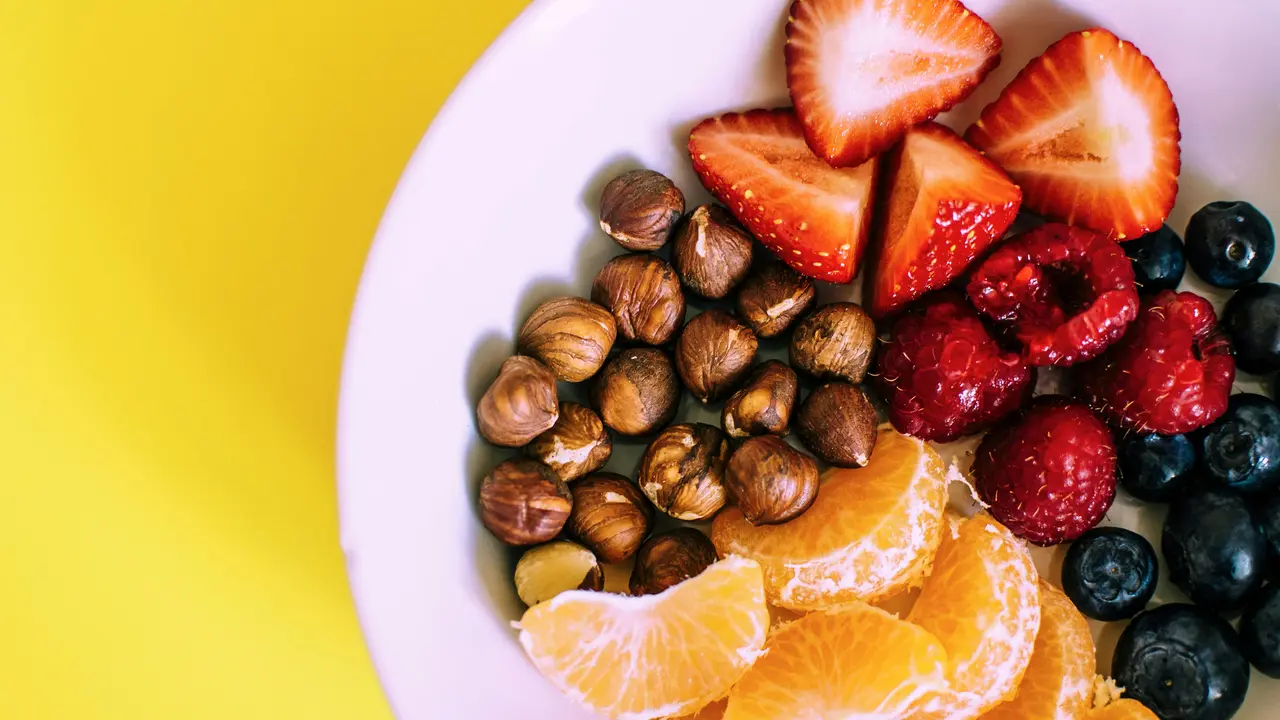
- Choose healthy snacks: Opt for fruits, vegetables, and nuts instead of high-calorie treats.
- Engage in distractions: Keep your mind occupied with hobbies or activities to reduce the urge to eat.
By adopting these strategies, you can manage your appetite and reduce the risk of weight gain.
Psychological Factors in Smoking Cessation
The Link Between Smoking and Food
Many smokers associate smoking with certain activities or emotional states, often using cigarettes to cope with stress or boredom. After quitting, these associations can trigger a desire to replace smoking with eating, leading to potential weight gain.
Finding Healthy Alternatives
Identifying healthier coping mechanisms can significantly reduce the risk of weight gain:
- Practice mindfulness and meditation.
- Take up new hobbies that engage your interest.
- Seek support from friends, family, or support groups.
These alternatives can provide emotional support during the transition, minimizing the urge to turn to food.
Conclusion
So, “will I get fat if I quit smoking?” The answer isn’t straightforward, but awareness and proactive strategies can help you manage any weight gain concerns. You’ve learned about the factors influencing weight after quitting and how to counteract these through lifestyle changes. Remember, quitting smoking offers numerous health benefits that far outweigh the potential for slight weight gain. Embrace this journey towards a healthier you and consider sharing this article with others or exploring additional resources on your path to quitting smoking!
Fat – Recent Articles
- What Does 18% Body Fat Look Like? Explore the Transformation!
- ‘How to Lose Chest Fat Males: Ultimate Guide to Flat Pecs!’
- What Does Fat Stranding on a CT Scan Mean? Uncover the Mystery!
- Why Are My Cheeks Fat? Discover the Surprising Truth!
- What Does 10 lbs of Body Fat Look Like? Find Out Now!
Fat – Useful Links
- Harvard T.H. Chan – Types of Fat
- Harvard Health – The truth about fats: the good, the bad, and the in-between
- MedlinePlus – Dietary Fats
- NHLBI / NIH – Healthier Fats and Oils Fact Sheet
- HelpGuide – Choosing Healthy Fats