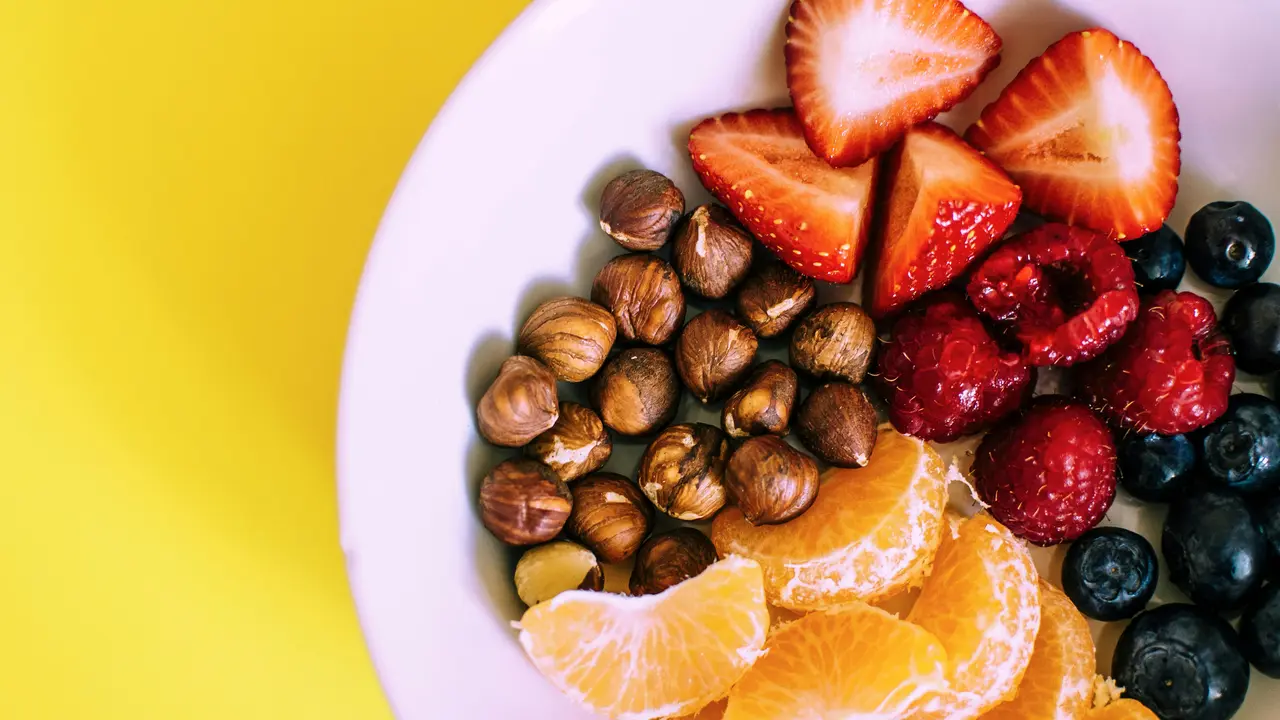
Amyloidosis is a complex disease that can significantly impact one’s health and well-being. Understanding “what vitamins are good for amyloidosis” can be a crucial step in managing this condition. In this article, we will explore various vitamins and their potential benefits, shedding light on how they can aid in the fight against amyloidosis.
Understanding Amyloidosis and Nutritional Support
Amyloidosis is characterized by the abnormal accumulation of amyloid proteins in organs and tissues, leading to various health complications. The right nutritional support, including vitamins, can play a role in managing symptoms and promoting general health.
The Role of Vitamins in Amyloidosis
Vitamins are essential micronutrients that support various bodily functions. In the context of amyloidosis, certain vitamins can help boost the immune system, improve energy levels, and enhance overall wellness. Understanding which vitamins are beneficial is key.
What Vitamins Are Good for Amyloidosis: Key Nutrients
When examining “what vitamins are good for amyloidosis,” several key vitamins stand out for their potential benefits:
- Vitamin C: An antioxidant that supports immune function and may help reduce inflammation.
- Vitamin D: Essential for bone health and may have a role in immune regulation.
- Vitamin E: Another antioxidant that can help protect cells from oxidative stress.
- B Vitamins: This group, particularly B6, B12, and folate, plays a crucial role in energy metabolism and nervous system health.
The Benefits of Vitamin C in Amyloidosis
Vitamin C is well-known for its immune-boosting properties. In the case of amyloidosis, it can play a role in reducing inflammation and potentially stabilizing amyloid proteins. Incorporating vitamin C-rich foods like oranges, strawberries, and bell peppers into your diet can be beneficial.
The Importance of Vitamin D
Vitamin D supports not only bone health but also the immune system. For individuals with amyloidosis, adequate vitamin D levels can help maintain overall health. Sun exposure and vitamin D-rich foods like fatty fish and fortified dairy products are excellent sources.
How Vitamin E Impacts Health
Vitamin E can aid in protecting cells from oxidative damage, which is important for those dealing with amyloidosis. Nuts, seeds, and green leafy vegetables are great dietary sources of this vital nutrient.
Additional Nutrients to Consider
While vitamins are crucial, other nutrients also play important roles in managing amyloidosis:
- Minerals: Zinc and selenium have antioxidant properties that support immune function.
- Omega-3 Fatty Acids: Found in fish oil, these fats can help reduce inflammation.
- Protein: Ensures adequate intake of essential amino acids for tissue repair.
The Role of Omega-3 Fatty Acids
Omega-3 fatty acids have been linked to reduced inflammation and may provide protective benefits for individuals with amyloidosis. Sources include fatty fish like salmon and flaxseeds.
Importance of Adequate Protein Intake
For those managing amyloidosis, adequate protein intake is essential to support tissue repair and maintain muscle health. Lean meats, legumes, and dairy products are excellent options.
Consulting Healthcare Providers
Before making any significant changes to your diet or supplement regimen, it’s essential to consult your healthcare provider. They can provide personalized recommendations based on your specific health needs and conditions related to amyloidosis.
Personalized Nutrition Plans
Your healthcare provider can help design a tailored nutrition plan that incorporates “what vitamins are good for amyloidosis” based on your individual needs and preferences.
Conclusion: Taking Action for Your Health
In conclusion, understanding “what vitamins are good for amyloidosis” is an important aspect of managing this condition. Vitamins such as C, D, and E, along with other essential nutrients, play vital roles in supporting overall health. Don’t hesitate to explore dietary changes and speak with your healthcare provider about how to incorporate these beneficial vitamins into your routine. Share this article with others who may benefit from this information or check out our other articles to learn more about managing health conditions effectively.
Vitamins – Recent Articles
- What Vitamins Should a Woman Take in Her 20s? Discover Now!
- Can You Take Nutrafol with Other Vitamins? Discover the Truth!
- How to Dispose of Old Vitamins and Supplements Correctly
- Discover What Vitamins Make You Poop: Unlock Your Digestive Health!
- Discover Where Nature Made Vitamins Are Crafted!
Vitamins – Useful Links
- NIH Office of Dietary Supplements — Vitamin and Mineral Supplement Fact Sheets
- WHO — Vitamin and Mineral Nutrition Information System (VMNIS)
- MedlinePlus — Vitamins (Encyclopedia)
- CDC — Micronutrient Facts
- NHS — Vitamins and minerals