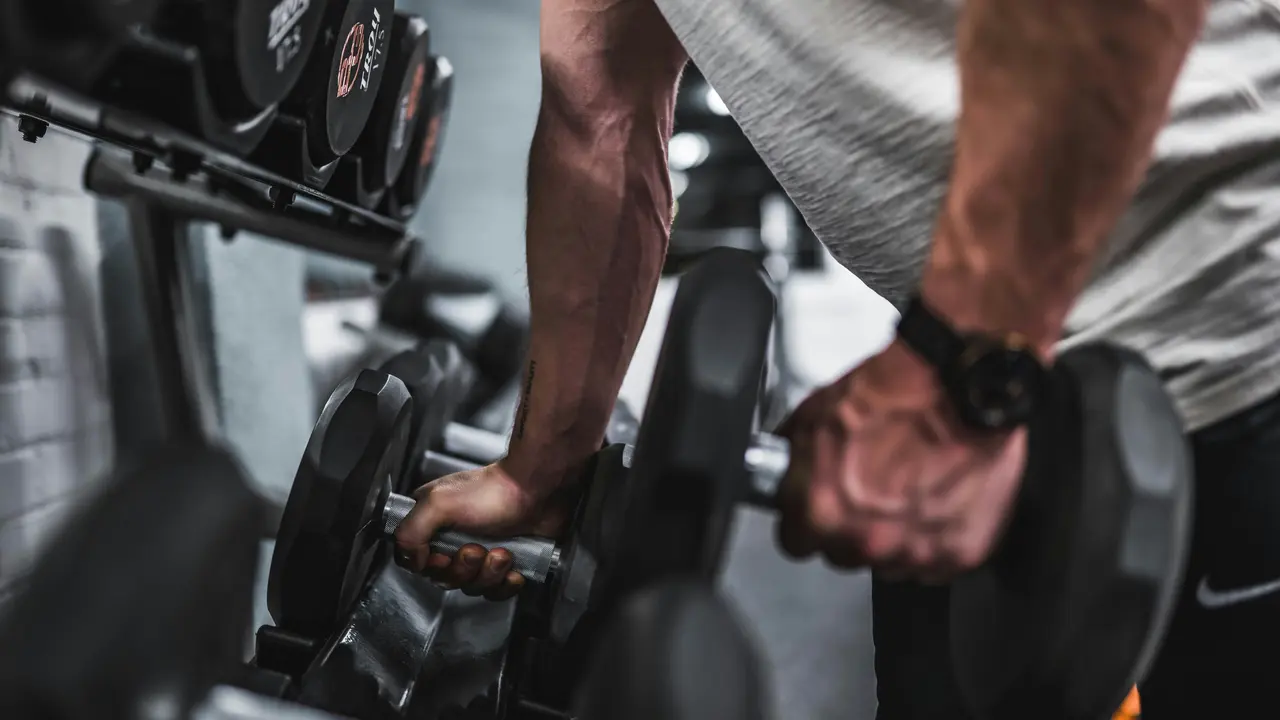
Are you wondering if you should always be sore after a workout? This lingering question often plagues fitness enthusiasts and casual gym-goers alike. In this article, we will explore the connection between muscle soreness and effective workouts, helping you understand what to expect when you push your body to the limit. Let’s delve into the facts, myths, and the science behind post-workout soreness.
Understanding Muscle Soreness: Should You Always Be Sore After a Workout?
What is Muscle Soreness?
Muscle soreness, often referred to as delayed onset muscle soreness (DOMS), typically occurs 12 to 24 hours after an exercise session. It results from micro-tears in muscle fibers that occur during intense or unfamiliar physical activity. Understanding this process is crucial to answering the question: should you always be sore after a workout?
The Role of Muscle Soreness in Conditioning
While muscle soreness can indicate that you are challenging your body and making progress, it’s not the only sign of an effective workout. Key points to consider include:
- Soreness does not equate to a better workout; adaptation is essential.
- Muscle soreness can be influenced by factors such as workout intensity, type, and personal fitness level.
- Some people may experience less soreness or none at all, which doesn’t mean they are not benefiting from their workouts.
Factors that Influence Post-Workout Soreness
Intensity and Type of Exercise
The type of workout plays a significant role in determining how sore you feel afterward. Different forms of exercise may lead to varying levels of soreness:
- Resistance training often produces more soreness than cardiovascular exercises.
- New activities or changes in workout routines can trigger a higher level of DOMS.
- High-impact exercises typically result in greater soreness compared to low-impact workouts.
Individual Differences in Recovery
Each person’s body responds differently to exercise. Factors such as genetics, age, and overall health can affect your levels of soreness. Consider the following:
- Younger individuals may recover faster, experiencing less soreness.
- Genetic predisposition can influence how your muscles respond to stress and repair.
- Well-trained individuals might experience less soreness due to their bodies adapting to the physical demands.
Is Soreness Necessary for Progress?
The Myth of No Pain, No Gain
There is a pervasive myth in the fitness community that soreness is a necessary indicator of progress and effectiveness. However, this notion can be misleading. Key insights include:
- Muscle adaptation occurs regardless of soreness levels.
- Consistent training promotes fitness improvements without guaranteeing soreness.
- Focusing too much on soreness may result in overtraining and injury.
Recognizing Healthy vs. Excessive Soreness
It is essential to differentiate between healthy muscle soreness and excessive pain that may signal injury. Some indicators include:
- Healthy soreness generally subsides within a few days and is manageable.
- Excessive pain may hinder your ability to perform daily activities or impact subsequent workouts.
- Focus on listening to your body; if soreness lingers excessively, it may be time to reconsider your routine.
How to Manage Muscle Soreness
Strategies for Recovery
If you do experience soreness, there are various methods to help alleviate discomfort and promote recovery. Here are some effective strategies:
- Incorporate active recovery days that include light activities like walking or yoga.
- Prioritize hydration and nutrition to aid muscle repair.
- Rest and restorative sleep are essential for recovery.
Adjusting Your Workout Routine
Adapting your training regimen can also help manage soreness and improve your overall performance. Consider the following adjustments:
- Gradually increase weight and intensity to give your body time to adapt.
- Include a variety of exercises to work different muscle groups and reduce repetitive stress.
- Listen to your body and take deload weeks when needed.
Conclusion
So, should you always be sore after a workout? The answer is a resounding no; while soreness can be a sign of muscle adaptation, it’s not a requirement for growth or progress. Understanding how your body responds to exercise and focusing on recovery are vital for sustained fitness improvements. Remember, effective training should balance challenge and recovery. For more tips on enhancing your fitness journey, be sure to check out our other articles and share this one with friends who might find it useful!
Workout – Recent Articles
- When Can I Workout After Lip Fillers? Find Out Now!
- Should I Drink Whey Protein Before or After Workout? Find Out!
- Does Pre Workout Have Calories? Uncover the Truth Now!
- Should I Workout When Sick? The Truth You Need to Know!
- When Should I Take Pre Workout Supplement? Find Out Now!
Workout – Useful Links
- CDC – Steps for Getting Started With Physical Activity
- Mayo Clinic – Fitness program: 5 steps to get started
- Healthline – How to Start Exercising: A Beginner’s Guide to Working Out
- Verywell Fit – Strength Training: A Beginner’s Guide to Getting Stronger
- ACE Fitness – Sticking to an Exercise Program: 25 Tips to Achieve Exercise Success