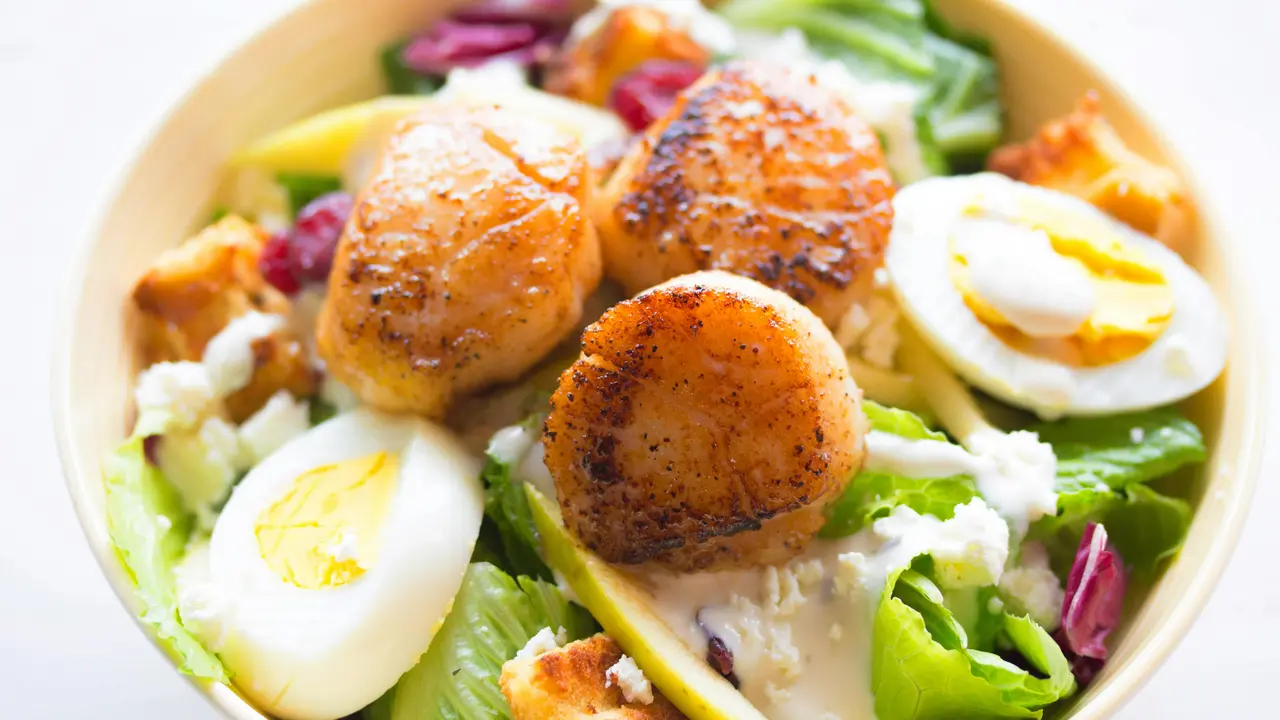
Are you wondering if shrimp is good for an anti-inflammatory diet? This scrumptious seafood might be just what you need to spice up your meals while keeping inflammation at bay. In this article, we’ll explore the benefits of including shrimp in your diet, how it compares to other protein sources, and tips for integrating it into your meals.
Benefits of Shrimp in an Anti-Inflammatory Diet
Nutritional Profile of Shrimp
Shrimp is often hailed for its impressive nutritional profile. It is low in calories yet high in protein, making it a great option for those looking to maintain a healthy weight while managing inflammation. Here are some key nutrients found in shrimp:
- Omega-3 fatty acids
- Vitamin B12
- Selenium
- Astaxanthin
Each of these components plays a vital role in reducing inflammation and enhancing overall health.
Omega-3 Fatty Acids and Inflammation
One of the most significant aspects of shrimp is its omega-3 fatty acids content. These healthy fats are known for their anti-inflammatory properties. Research suggests that omega-3s help lower levels of inflammatory markers in the body, thus potentially reducing the risk of chronic diseases. Including shrimp in your meals can be an excellent way to boost your omega-3 intake.
How Shrimp Compares to Other Proteins in an Anti-Inflammatory Diet
Shrimp vs. Other Seafood
When considering whether shrimp is good for an anti-inflammatory diet, it’s important to compare it to other seafood options. While fatty fish like salmon are often recommended for their high omega-3 content, shrimp offers a lean protein alternative with added benefits. Here’s how it stacks up:
- Lower in calories than many fatty fish
- High in protein per serving
- Offers unique antioxidants like astaxanthin
For those looking for variety in their seafood intake, shrimp can be a deliciously healthy choice.
Shrimp vs. Red Meat
Another comparison worth noting is shrimp versus red meat. Red meat, while rich in protein, can also be high in saturated fats and may contribute to inflammation. In contrast, shrimp provides a leaner protein source, making it a more favorable option for an anti-inflammatory diet. Here are some additional points:
- Shrimp is generally easier to digest than red meat.
- It contains fewer inflammatory compounds.
- Provides essential amino acids without the additional fat intake.
Tips for Including Shrimp in Your Anti-Inflammatory Diet
Cooking Techniques
How you prepare shrimp can significantly affect its health benefits. To maintain its anti-inflammatory properties, opt for healthier cooking methods. Consider the following techniques:
- Grilling
- Steaming
- Baking
- Sautéing with healthy oils (like olive oil)
Avoid deep-frying or using excessive butter or creams, as these can introduce inflammatory elements to your dish.
Pairing Shrimp with Anti-Inflammatory Foods
To enhance the anti-inflammatory benefits of shrimp, consider pairing it with other anti-inflammatory foods. Here are some great combinations:
- Shrimp with spinach or kale
- Shrimp tacos with avocado and salsa
- Shrimp stir-fry with colorful vegetables
These pairings not only create a delicious meal but also increase the overall anti-inflammatory impact of your diet.
Potential Concerns with Shrimp in an Anti-Inflammatory Diet
Cholesterol Levels
A common concern about shrimp is its cholesterol content. Although shrimp is high in dietary cholesterol, research has shown that it may not adversely affect heart health in the way once thought. For most people, consuming shrimp in moderation does not significantly impact blood cholesterol levels and can still be part of a heart-healthy diet.
Allergies and Sensitivities
It’s important to consider allergies when adding shrimp to your diet. Seafood allergies are common, so if you have a known allergy, it’s best to avoid shrimp completely. For those without sensitivities, shrimp can be a valuable addition to an anti-inflammatory diet.
Conclusion
In summary, shrimp can indeed be a beneficial food for those following an anti-inflammatory diet. Its rich nutritional profile, low-calorie count, and unique omega-3 content make it a worthy addition to your meals. By using healthy cooking techniques and pairing shrimp with other anti-inflammatory foods, you can enjoy both flavor and health. Don’t hesitate to experiment with shrimp in your cooking, and share this article with friends to spread the knowledge of its benefits or check out our other articles for more healthy eating tips!
Diet – Recent Articles
- How Many Calories in a Rum and Diet Coke? Find Out Now!
- Why Is Walmart’s Great Value Diet Mountain Lightning a Must-Try?
- Who Has 2 Liter Diet Coke on Sale This Week? Discover Now!
- Can You Have Fried Chicken on a Carnivore Diet? Find Out!
- Is Coke on a Clear Liquid Diet: What You Need to Know!
Diet – Useful Links
- Harvard T.H. Chan – Diet Reviews
- CDC – Healthy Eating Tips
- MedlinePlus – Nutrition
- American Heart Association – Diet and Lifestyle Recommendations
- Mayo Clinic – Healthy Diets