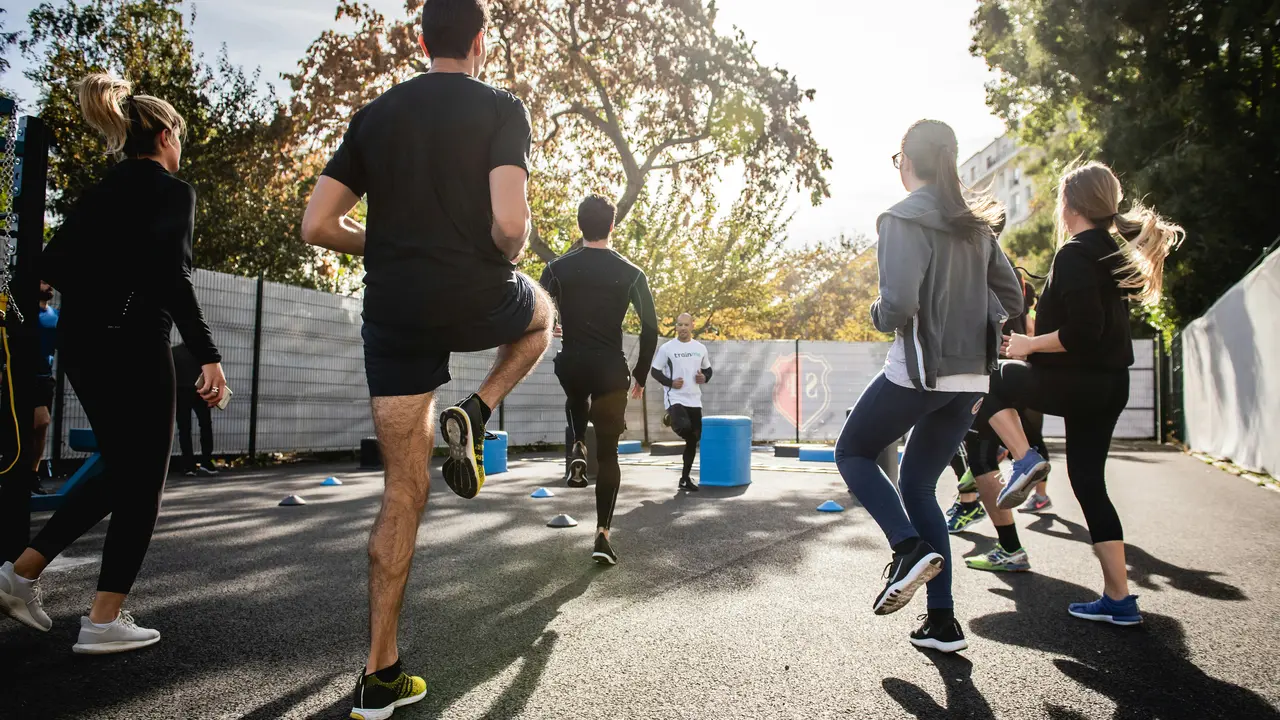
Are you looking to enhance your workout performance? Understanding “how many carbs before workout” is crucial for fueling your body effectively. In this article, we will explore the relationship between carbohydrates and exercise, provide guidelines on carbohydrate intake, and share tips for optimizing your pre-workout nutrition. Get ready to unlock your best performance!
Understanding Carbohydrates and Their Role in Exercise
What Are Carbohydrates?
Carbohydrates are one of the three macronutrients that provide energy for our body, along with proteins and fats. They are primarily found in foods such as grains, fruits, vegetables, and dairy products. Carbs are broken down into glucose, which is used as a primary energy source during physical activity.
Why Are Carbs Important Before a Workout?
Carbohydrates play a vital role in fueling our workouts. Consuming the right amount of carbs before exercising can:
- Boost energy levels
- Improve endurance
- Enhance recovery
- Prevent fatigue
Understanding “how many carbs before workout” can significantly impact your overall performance and fitness goals.
How Many Carbs Before Workout: General Guidelines
Recommended Carbohydrate Intake
The amount of carbohydrates needed before a workout can vary depending on several factors, including the type of exercise, duration, and individual goals. Here are some general recommendations:
- For moderate-intensity workouts lasting 60-90 minutes, aim for 30-60 grams of carbohydrates.
- For high-intensity workouts or endurance exercises over 90 minutes, increase your intake to 60-90 grams of carbohydrates.
- For those training for events like marathons, consider 1-5 grams of carbohydrates per kilogram of body weight in the hours leading up to the workout.
Timing Your Carbohydrate Intake
When considering “how many carbs before workout,” timing is just as important as the quantity. Here are some guidelines for optimal performance:
- Consume a meal rich in carbohydrates 3-4 hours before exercising.
- If you have less time, opt for a smaller snack 30-60 minutes prior.
- Pay attention to how your body reacts; individual needs may vary.
Best Sources of Carbohydrates Before a Workout
Complex Carbohydrates
Complex carbohydrates provide sustained energy and are great for longer workouts. Some healthy sources include:
- Whole grains (brown rice, quinoa, oats)
- Vegetables (sweet potatoes, legumes, greens)
- Fruits (bananas, apples, berries)
Simpler Carbohydrates
For quick energy just before exercising, simpler carbohydrates are recommended. They digest faster and can be found in:
- Sports drinks
- Energy bars
- Fruit juices
- Honey or agave syrup
Individual Considerations for Carbohydrate Intake
Personal Factors to Consider
When determining “how many carbs before workout,” it’s essential to consider individual factors:
- Your fitness level and goals (e.g., weight loss, muscle gain, endurance)
- Type of workout (strength training vs. endurance activities)
- Metabolic rate and individual digestive comfort
Listening to Your Body
Ultimately, personal experimentation is key. Monitor your energy levels, performance, and how your body responds to various carbohydrate sources and amounts before workouts. Adjust your intake based on your findings for the best results.
Common Mistakes and Myths About Carbs Before Workouts
Myth: Carbs Are Bad for You
A common misconception is that cutting carbs can lead to weight loss, but in reality, carbs are essential for energy, especially before workouts. Instead of eliminating them, focus on choosing the right types and amounts for your needs.
Mistake: Not Eating Enough
Another mistake is assuming that skipping carbs will improve performance. Not fueling your body adequately can lead to fatigue, decreased endurance, and a longer recovery time. Ensure you consume enough carbs to support your workout intensity and duration.
Conclusion
In summary, understanding “how many carbs before workout” is essential for optimizing your exercise performance. Aim for the right quantity, choose the best carbohydrate sources, and consider your individual needs for the best results. Remember, fueling your body properly is the first step to achieving your fitness goals. Now that you have the information, share this article with fellow fitness enthusiasts or check out our other articles for more tips on optimizing your health and workouts!
Workout – Recent Articles
- Can You Mix Creatine with Pre-Workout? Discover the Truth!
- Is Amino Energy a Pre Workout? Discover the Truth Now!
- Are Eggs a Good Post Workout Meal? Discover the Benefits!
- What Does a Sauna Do for You After a Workout? Find Out!
- Can You Take Creatine with Pre Workout? Find Out Now!
Workout – Useful Links
- CDC – Steps for Getting Started With Physical Activity
- Mayo Clinic – Fitness program: 5 steps to get started
- Healthline – How to Start Exercising: A Beginner’s Guide to Working Out
- Verywell Fit – Strength Training: A Beginner’s Guide to Getting Stronger
- ACE Fitness – Sticking to an Exercise Program: 25 Tips to Achieve Exercise Success