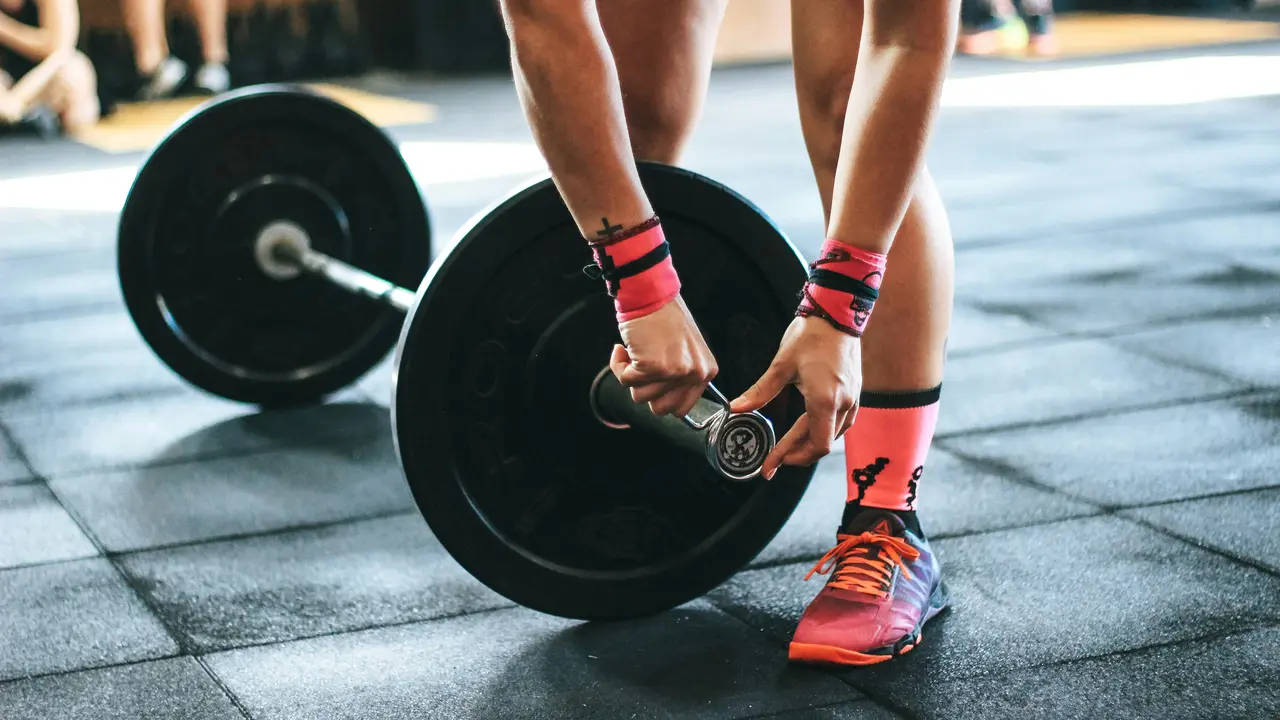
Are you wondering, “can I workout before giving blood?” This question often crosses the minds of fitness enthusiasts and regular donors alike. Understanding how exercise can affect your blood donation experience is crucial. In this article, we will explore the relationship between working out and blood donation, providing you with the essential information you need to make an informed decision.
Understanding Blood Donation
What Happens During a Blood Donation?
Blood donation is a vital process that helps save lives. During this procedure, a healthcare professional will draw blood from your arm, typically from the vein in your elbow. The standard donation takes about 8-10 minutes, during which you will be seated comfortably.
Why is Blood Donation Important?
Donating blood is crucial for various medical scenarios, including:
- Emergency surgeries
- Treatment of cancer patients
- Support for individuals with chronic illnesses
- Disaster relief efforts
Understanding the process and its importance can help you make a more informed decision about your fitness regimen before donating blood.
Can I Workout Before Giving Blood?
The Impact of Exercise on Blood Donation
If you’re asking yourself, “can I workout before giving blood,” the answer is nuanced. While light exercise is generally acceptable, high-intensity workouts may lead to complications during and after the donation process.
Light Exercise: A Safe Choice
Engaging in light physical activity such as walking or gentle stretching is usually recommended before a blood donation. This type of exercise may help improve blood circulation, making the process smoother.
Avoiding Intense Workouts
High-intensity workouts can lead to dehydration and increased heart rate, potentially making your blood donation more challenging. Here are some reasons to avoid heavy exercise before donating blood:
- Increased risk of fainting
- Dehydration
- Reduced blood volume
Pre-Donation Preparations
Hydration and Nutrition
Staying hydrated and properly nourished can significantly affect your blood donation outcome. It is essential to:
- Drink plenty of water before your appointment.
- Consume a healthy meal rich in iron, such as leafy greens or lean meats.
Consulting Healthcare Professionals
If you are uncertain about your workout routine before giving blood, consulting a healthcare professional can provide personalized guidance. They can help determine the best course of action based on your individual health status.
Post-Donation Considerations
What to Expect After Donating Blood
After your blood donation, taking care of yourself is crucial. Expect to feel a bit fatigued, so it’s essential to rest and avoid strenuous activities for at least 24 hours.
Resuming Your Workout Routine
Many individuals wonder how soon they can get back to their regular workout routine. Guidelines suggest:
- Wait at least 24 hours before resuming intense workouts.
- Listen to your body; if you still feel fatigued, allow more time for recovery.
Conclusion
In summary, when asking, “can I workout before giving blood?” it’s critical to prioritize your health and donation experience. Light exercise is acceptable, but avoiding intense workouts is advisable to prevent complications. Remember to hydrate and nourish your body properly leading up to your donation. If you found this article helpful, consider sharing it with others interested in blood donation or check out our other articles for more health tips!
Workout – Recent Articles
- Unlock Your Fitness: What’s the 321 Method Workout?
- How to Upload Apple Watch Workout to Strava: A Step-by-Step Guide
- What Do Hip Thrusts Work Out? Unlock Your Fitness Secrets!
- Is It OK to Workout 2 Times a Day? Discover the Truth!
- Can You Workout Two Times a Day? Discover the Benefits!
Workout – Useful Links
- CDC – Steps for Getting Started With Physical Activity
- Mayo Clinic – Fitness program: 5 steps to get started
- Healthline – How to Start Exercising: A Beginner’s Guide to Working Out
- Verywell Fit – Strength Training: A Beginner’s Guide to Getting Stronger
- ACE Fitness – Sticking to an Exercise Program: 25 Tips to Achieve Exercise Success