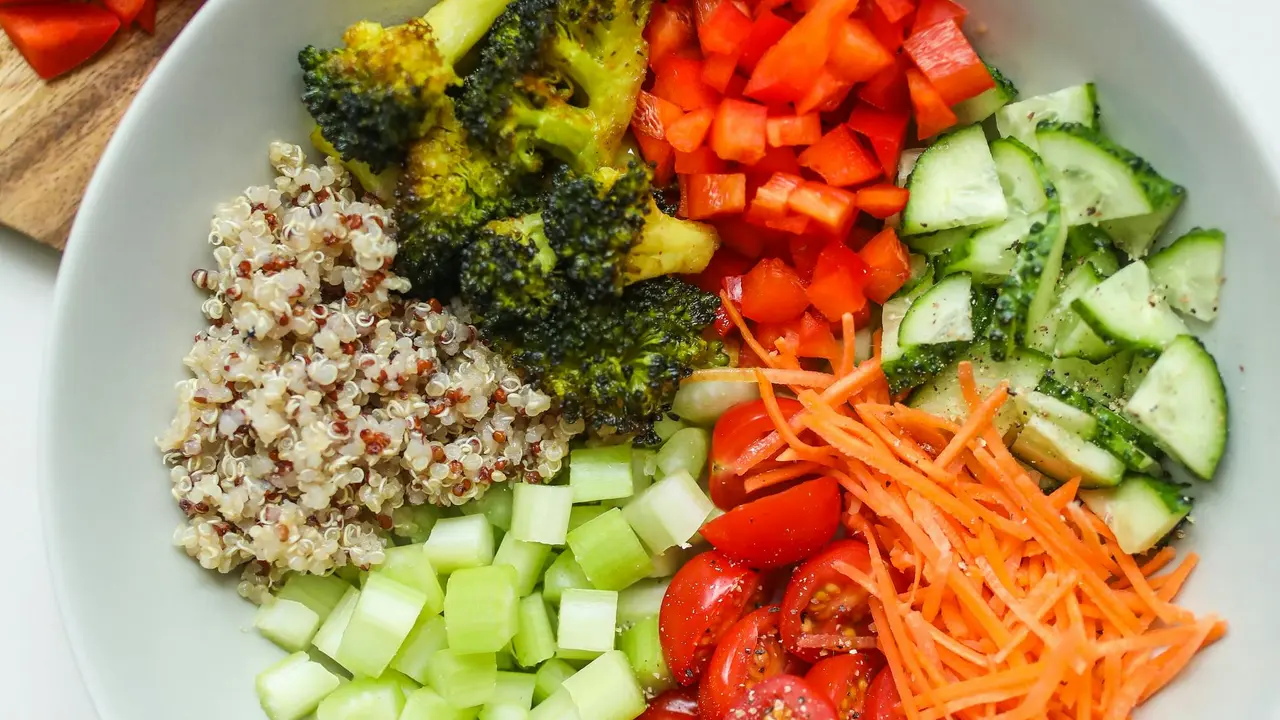
If you’re searching for a way to boost your health and well-being, look no further! A high fiber diet may be the transformative change you’ve been looking for. In this article, we’ll explore the myriad benefits of increasing dietary fiber, providing you with practical tips and insights to enhance your daily meals. Get ready to discover the amazing advantages of fiber and how it can revolutionize your health!
A High Fiber Diet May Improve Digestive Health
The Role of Fiber in Digestion
A high fiber diet may significantly enhance your digestive health by promoting regular bowel movements and preventing constipation. Fiber helps to bulk up your stool, making it easier to pass. This can lead to a healthier gut microbiome, which is essential for optimal digestion.
There are two main types of dietary fiber: soluble and insoluble. Both play crucial roles in digestion:
- Soluble fiber: Found in oats, beans, and fruits, it dissolves in water and can help lower cholesterol levels and stabilize blood sugar.
- Insoluble fiber: Found in whole grains and vegetables, it adds bulk to your stool and aids in the movement of food through the digestive tract.
A High Fiber Diet May Help Manage Weight
Fiber’s Role in Satiety
Studies indicate that consuming a high fiber diet may promote feelings of fullness, reducing the likelihood of overeating. Fiber-rich foods often take longer to chew, giving your brain more time to signal when you’re satisfied.
Low-Calorie Density of Fiber-Rich Foods
High fiber foods tend to be low in calories and fat while being nutrient-dense. Incorporating more fruits, vegetables, and whole grains into your diet can help you maintain or lose weight efficiently. Examples of low-calorie fiber-rich foods include:
- Leafy greens
- Berries
- Beans
- Whole grain cereals
A High Fiber Diet May Reduce the Risk of Chronic Diseases
Cardiovascular Health Benefits
A high fiber diet may contribute to heart health by lowering blood pressure and reducing cholesterol levels. Soluble fiber absorbs cholesterol, preventing it from entering your bloodstream. This can lower the risk of heart disease, making fiber an important component of your diet.
Diabetes Management
Eating fiber-rich foods may help regulate blood sugar levels, which is crucial for individuals managing diabetes. High fiber diets can enhance insulin sensitivity and improve glycemic control. Foods such as whole grains, legumes, and nuts are excellent choices for maintaining stable blood sugar levels.
A High Fiber Diet May Enhance Overall Well-Being
Mood and Mental Health
The gut-brain connection is well established, and a high fiber diet may positively impact mental well-being. A healthy gut microbiome can influence mood and cognitive function, potentially reducing symptoms of anxiety and depression.
Skin Health Benefits
A high fiber diet may even benefit your skin. Foods rich in antioxidants, such as fruits and vegetables, can help combat oxidative stress and promote a healthy complexion. Additionally, proper digestion can lead to effective elimination of toxins, contributing to clearer skin.
Tips for Incorporating a High Fiber Diet May Into Your Lifestyle
Start Slow
If you’re not used to consuming much fiber, it’s important to increase your intake gradually. This will give your digestive system time to adjust, preventing discomfort.
Mix It Up
Incorporate a variety of fiber-rich foods into your meals to ensure you’re getting a good mix of soluble and insoluble fiber. Experiment with different fruits, vegetables, legumes, and whole grains.
Stay Hydrated
When increasing fiber in your diet, it’s crucial to drink plenty of water. This helps fiber do its job effectively by softening stool and promoting regularity.
A High Fiber Diet May Enhance Your Daily Meals
Simple High Fiber Meal Ideas
Creating high fiber meals doesn’t have to be complex. Here are a few ideas to inspire your meal planning:
- Breakfast: Overnight oats topped with berries and nuts.
- Lunch: Quinoa salad with chickpeas, diced vegetables, and a light vinaigrette.
- Dinner: Whole grain pasta with a vegetable-rich marinara sauce.
- Snacks: Raw veggies with hummus or a piece of fruit with almond butter.
Implementing a high fiber diet may seem challenging at first, but the health benefits are undeniable. From improving digestion to enhancing overall well-being, fiber plays a crucial role in a healthy lifestyle.
In conclusion, adopting a high fiber diet may be one of the best decisions for your health. The numerous benefits, including improved digestive health, weight management, and reduced risk of chronic diseases, make it a smart choice for everyone. Start making these dietary changes today and experience the transformative effects of fiber! Don’t forget to share this article with your friends and explore more resources on healthy eating on our blog!
Diet – Recent Articles
- What to Eat on a Juice Diet: Unlock Delicious Health Hacks!
- Is Carnivore Diet Good for Insulin Resistance? Find Out Now!
- Is Diet and Zero Sugar the Same? Uncover the Truth Now!
- Does Diet Pop Cause Bloating? Discover the Surprising Truth!
- Discover What to Eat on Zepbound Diet Plan: Your Ultimate Guide!
Diet – Useful Links
- Harvard T.H. Chan – Diet Reviews
- CDC – Healthy Eating Tips
- MedlinePlus – Nutrition
- American Heart Association – Diet and Lifestyle Recommendations
- Mayo Clinic – Healthy Diets