Are you curious about what vitamins help wound healing? Understanding the role of vitamins in the recovery process can significantly enhance your healing journey. In this article, we will explore essential vitamins that promote faster wound healing, providing you with valuable insights and practical tips for optimal recovery.
Key Vitamins for Wound Healing
Vitamin C: The Healing Powerhouse
Vitamin C plays a crucial role in wound healing by aiding in collagen synthesis. Collagen is necessary for the formation of new tissue and the repair of damaged skin. Additionally, vitamin C has antioxidant properties that help reduce inflammation, promoting a healthier healing environment. Foods rich in vitamin C include:
- Citrus fruits (oranges, lemons, grapefruits)
- Bell peppers
- Strawberries
- Broccoli
Vitamin A: Essential for Skin Repair
Vitamin A is vital for skin health and regeneration. It supports cellular growth and differentiation, which are essential processes in wound healing. Moreover, vitamin A helps maintain the integrity of mucous membranes, reducing the risk of infection. You can find vitamin A in foods like:
- Liver
- Carrots
- Sweet potatoes
- Dark leafy greens
The Role of B Vitamins in Wound Healing
Vitamin B6: A Supportive Ally
Vitamin B6 plays a role in protein metabolism and the synthesis of neurotransmitters, which are crucial for the regulation of various bodily functions, including healing. A deficiency in vitamin B6 can impair recovery times, making it important for wound healing. Foods that are great sources of vitamin B6 include:
- Poultry
- Fish
- Bananas
- Chickpeas
Vitamin B12: Enhancing Energy Levels
Vitamin B12 is essential for red blood cell formation and helps maintain energy levels during the healing process. Adequate levels of vitamin B12 can also support proper nerve function, which is beneficial for recovery from injuries. Good sources of vitamin B12 include:
- Meat
- Dairy products
- Eggs
- Fortified cereals
Vitamin E: The Antioxidant Defender
Protecting Your Skin
Vitamin E is known for its antioxidant properties, which help protect cells from oxidative stress during the healing process. It supports immune function and promotes skin health, making it an important vitamin for wound healing. You can find vitamin E in foods such as:
- Nuts (almonds, hazelnuts)
- Seeds (sunflower seeds)
- Green leafy vegetables
- Vegetable oils (olive oil, canola oil)
How to Incorporate These Vitamins into Your Diet
Balanced Nutrition for Optimal Healing
To ensure that you are getting the vitamins necessary for wound healing, focus on maintaining a balanced diet. Incorporate a variety of whole foods rich in vitamins C, A, B6, B12, and E. Here are some tips to enhance your nutritional intake:
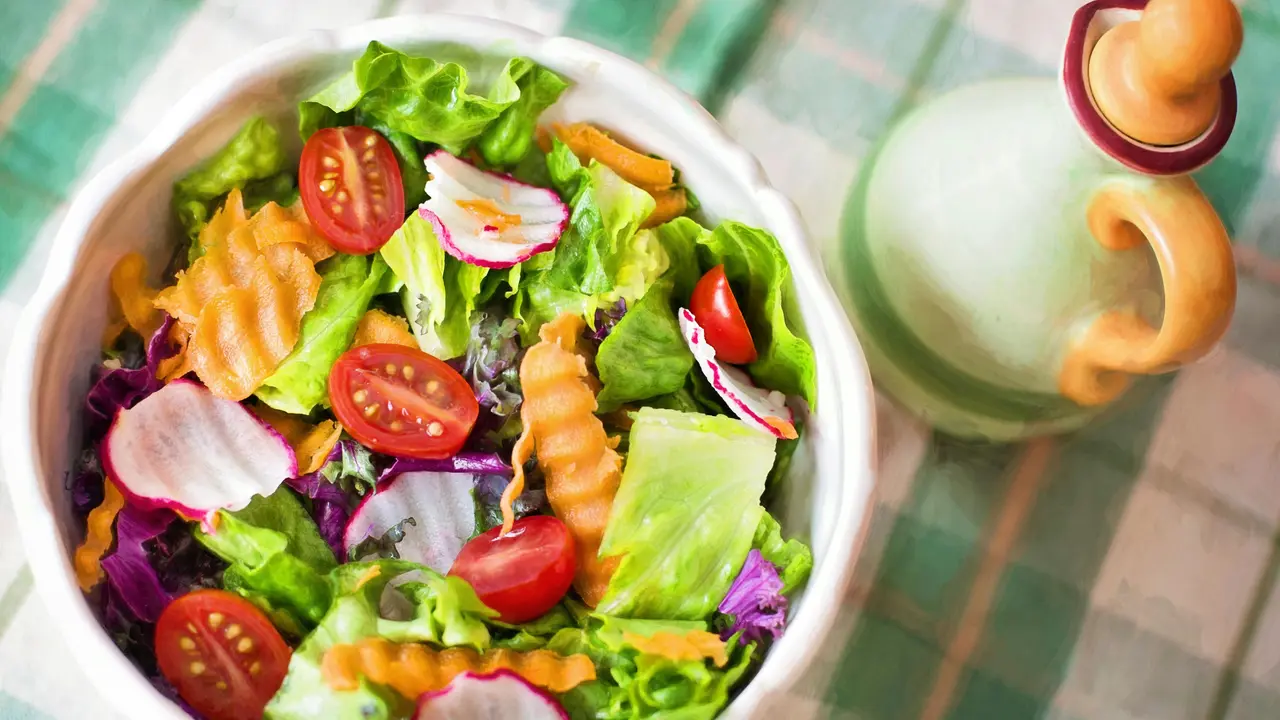
- Prepare colorful salads with a mix of vegetables.
- Include fruits as snacks or in smoothies.
- Add nuts and seeds to your meals and snacks.
- Opt for lean proteins like fish and poultry.
Supplements: When to Consider
While a well-rounded diet should provide most of the vitamins needed for wound healing, there are situations where supplements may be beneficial. If you are recovering from a significant injury, surgery, or have dietary restrictions, consider speaking with a healthcare professional about appropriate supplements to support your healing process.
Conclusion
In summary, understanding what vitamins help wound healing can empower you to support your body’s recovery effectively. Essential vitamins such as C, A, B6, B12, and E each play distinct roles in enhancing the healing process. By focusing on balanced nutrition and considering supplementation if necessary, you can unlock faster recovery and improve your overall health. Don’t forget to share this article with others who may benefit from this information, and explore more of our content for additional tips on healthy living!
Vitamins – Recent Articles
- Is It OK to Take Prenatal Vitamins at Night? Find Out Now!
- What Vitamins Do Kittens Need? Essential Guide for New Owners
- Why Do B Vitamins Make Urine Yellow? Discover the Truth!
- Can Vitamins Make You Pee More? The Surprising Truth Revealed!
- Discover Where to Buy Mary Ruth’s Vitamins Today!
Vitamins – Useful Links
- NIH Office of Dietary Supplements — Vitamin and Mineral Supplement Fact Sheets
- WHO — Vitamin and Mineral Nutrition Information System (VMNIS)
- MedlinePlus — Vitamins (Encyclopedia)
- CDC — Micronutrient Facts
- NHS — Vitamins and minerals