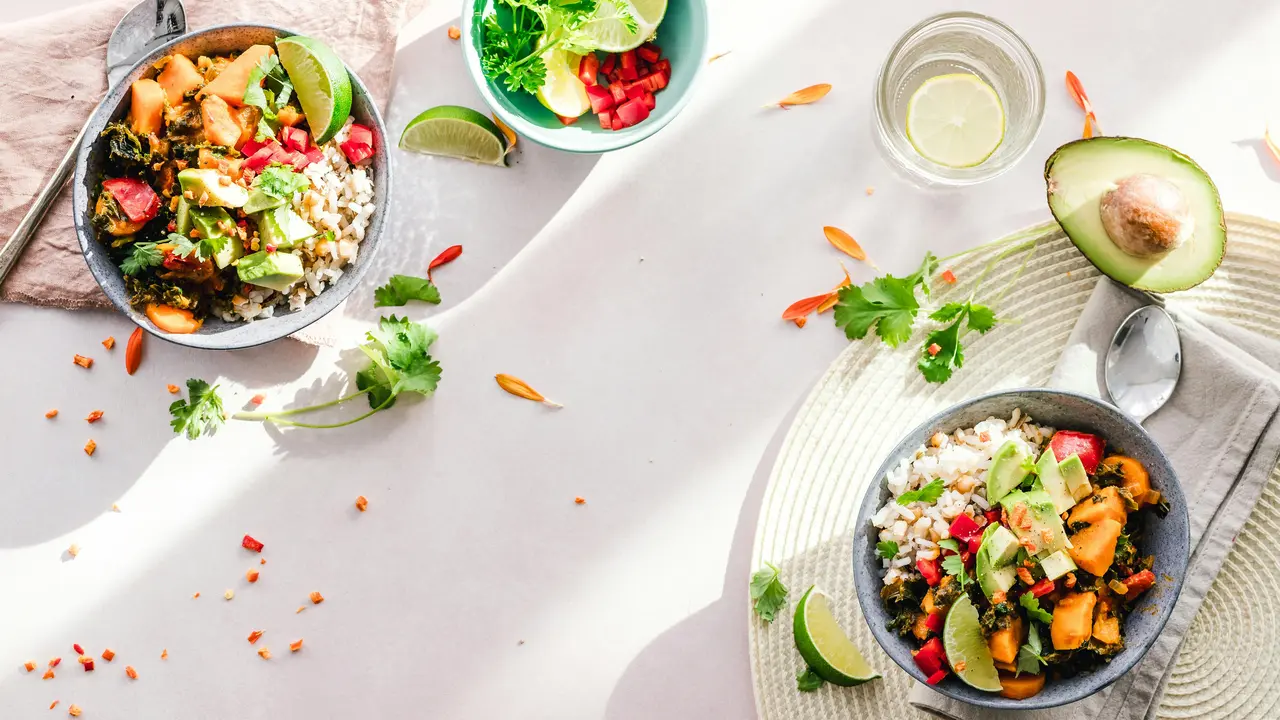
Are you wondering how much protein to eat on a keto diet for ultimate weight loss and muscle retention? You’re not alone! Finding the right balance of macronutrients can be crucial for achieving your health goals while enjoying a ketogenic lifestyle. In this article, we’ll explore the optimal protein intake on a keto diet and provide tips to ensure you reap the benefits without compromising your progress.
Understanding the Role of Protein on a Keto Diet
What is a Keto Diet?
The ketogenic diet, commonly known as the keto diet, is characterized by a high-fat, moderate-protein, and low-carbohydrate intake. This specific macronutrient distribution aims to induce a metabolic state called ketosis, where your body efficiently burns fat for fuel instead of carbohydrates.
Why Protein is Essential
Protein plays a vital role in maintaining muscle mass, supporting metabolic health, and aiding in the repair and regeneration of tissues. On a keto diet, adequate protein intake becomes even more important as it helps preserve muscle while encouraging fat loss. However, too much protein can potentially hinder ketosis, making it essential to find the right balance when considering how much protein to eat on a keto diet.
Determining Your Protein Needs on a Keto Diet
Factors Influencing Protein Requirements
Your protein needs may vary based on several individual factors, including:
- Age
- Gender
- Activity level
- Body composition goals (fat loss vs. muscle gain)
General Guidelines for Protein Intake
A common recommendation for protein intake on a keto diet is approximately 20-25% of your total daily caloric intake. This typically translates to:
- 1.2 to 2.0 grams of protein per kilogram of body weight for those engaged in regular exercise
- 1.0 to 1.5 grams of protein per kilogram for those with a sedentary lifestyle
For example, a 70 kg individual may require between 84 to 140 grams of protein daily, depending on their activity level and goals.
Types of Proteins Suitable for a Keto Diet
High-Quality Protein Sources
When considering how much protein to eat on a keto diet, it’s important to focus on high-quality sources that align with your dietary preferences. Some excellent protein sources include:
- Meat (beef, pork, lamb)
- Poultry (chicken, turkey)
- Fish and seafood (salmon, mackerel, shrimp)
- Eggs
- Dairy (high-fat yogurt, cheese)
- Plant-based options (tofu, tempeh, seitan)
Protein Supplements
For those who find it challenging to meet their protein needs solely through whole foods, protein supplements can be a viable option. Look for:
- Whey protein isolate
- Collagen peptides
- Plant-based protein powders (pea, hemp, brown rice)
Always check nutritional labels to ensure low carbohydrate content and choose products free of added sugars and fillers.
Potential Pitfalls: Too Much vs. Too Little Protein
Signs of Too Much Protein Intake
Overconsumption of protein can lead to potential side effects, including:
- Excessive gluconeogenesis (conversion of protein to glucose)
- Increased calorie intake leading to unwanted weight gain
- Digestive issues such as bloating or discomfort
Signs of Too Little Protein Intake
On the flip side, insufficient protein can result in:
- Lack of muscle retention
- Increased hunger and cravings
- Fatigue and decreased energy levels
Monitoring your intake and adjusting according to your body’s response is key to success on a keto diet.
Practical Tips for Meeting Your Protein Goals
Meal Planning
One of the best ways to ensure you are eating the right amount of protein on a keto diet is through effective meal planning. Here are some tips:
- Incorporate protein sources into each meal and snack.
- Prepare meals in advance to avoid last-minute choices that might not align with your protein goals.
- Experiment with different protein sources to keep meals exciting and diverse.
Listening to Your Body
Pay attention to how your body feels in response to protein intake. Adjust the quantity and source of protein based on your physical activity levels, metabolic response, and personal preferences. Consider tracking your macros to fine-tune your intake.
Conclusion
In conclusion, understanding how much protein to eat on a keto diet is crucial for optimizing your health and fitness goals. Finding the right balance tailored to your individual needs will help maximize fat loss while preserving muscle mass. Stay mindful of your protein sources, listen to your body, and don’t hesitate to adjust as needed. If you found this article helpful, feel free to share it and explore more on our blog to enhance your keto journey!
Keto – Recent Articles
- Where to Buy Keto Bagels: Find Your Perfect Low-Carb Snack!
- Is Arnold Keto Bread Healthy? Discover the Truth Inside!
- How to Make Keto Cheesecake: Delightful Dessert in Minutes!
- Can I Drink Coke Zero on Keto? The Surprising Truth!
- Are Sugar Snap Peas Keto Friendly? Discover the Truth!
Keto – Useful Links
- Harvard T.H. Chan — Diet Review: Ketogenic Diet
- EatRight (Academy of Nutrition and Dietetics) — What Is the Ketogenic Diet?
- Healthline — The Ketogenic Diet: A Detailed Beginner’s Guide to Keto
- NCBI / StatPearls — Ketogenic Diet
- Northwestern Medicine — Pros and Cons of the Keto Diet